

Basic Knowledge of Water Meters: From Types to Selection—A Comprehensive Guide to the Core Essentials
Published Time:
2026-04-14
Author:
Source:


I. The Core Function of Water Meters: More Than Just “ Measuring instruments ”
As an indispensable metering device in water supply systems, the primary function of a water meter is to accurately measure the volume of water flow, thereby providing critical data for billing, water-use monitoring, and pipeline network operation and maintenance. Whether in residential households, commercial buildings, or industrial settings, the accuracy of water-meter readings directly impacts equitable water use and the efficient allocation of water resources. —— Accurate metering data not only safeguards consumer rights and interests but also enables water utilities to detect pipeline leaks and optimize water distribution, serving as the foundational sensing component for smart water management.
II. Common Types of Water Meters: Classification by Principle and Application Scenario
1. Classification based on measurement principles (the most fundamental classification method)
- Mechanical water meter : A traditional mainstream type that uses water flow to drive an internal impeller, which in turn rotates a gear mechanism to record volume. Its advantages include a simple structure, low cost, and high stability, making it suitable for ordinary applications such as residential households; its disadvantages are that accuracy is heavily influenced by water quality, long-term use may lead to measurement errors due to impeller wear, and manual meter reading is required.
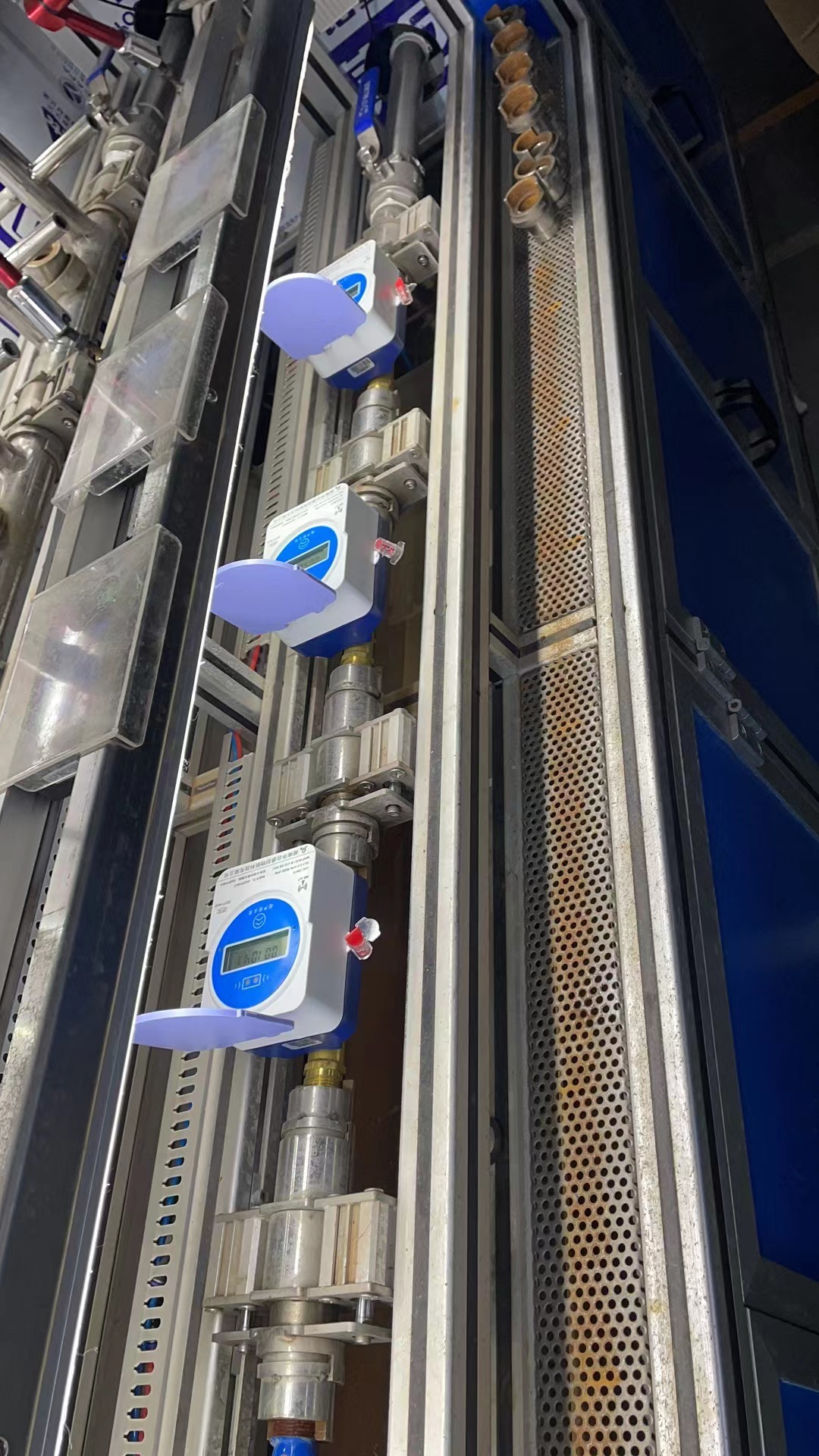
- Smart water meter : New-type water meters upgraded with electronic technology are broadly categorized into two types:
- Prepaid smart water meter: Supported IC Card, NFC , such as scanning a QR code for top-up, where payment is made before water usage, thereby resolving “ Difficult meter reading and difficult billing ” The issue is widely applied in the renovation of older residential communities;
- Remote smart water meter: through NB-IoT 、 LoRa Advanced communication technologies enable real-time transmission of water consumption data to the management platform, supporting remote meter reading, consumption monitoring, and anomaly alerts (such as leaks and payment arrears), thereby integrating seamlessly with smart city water management systems.
- Prepaid smart water meter: Supported IC Card, NFC , such as scanning a QR code for top-up, where payment is made before water usage, thereby resolving “ Difficult meter reading and difficult billing ” The issue is widely applied in the renovation of older residential communities;
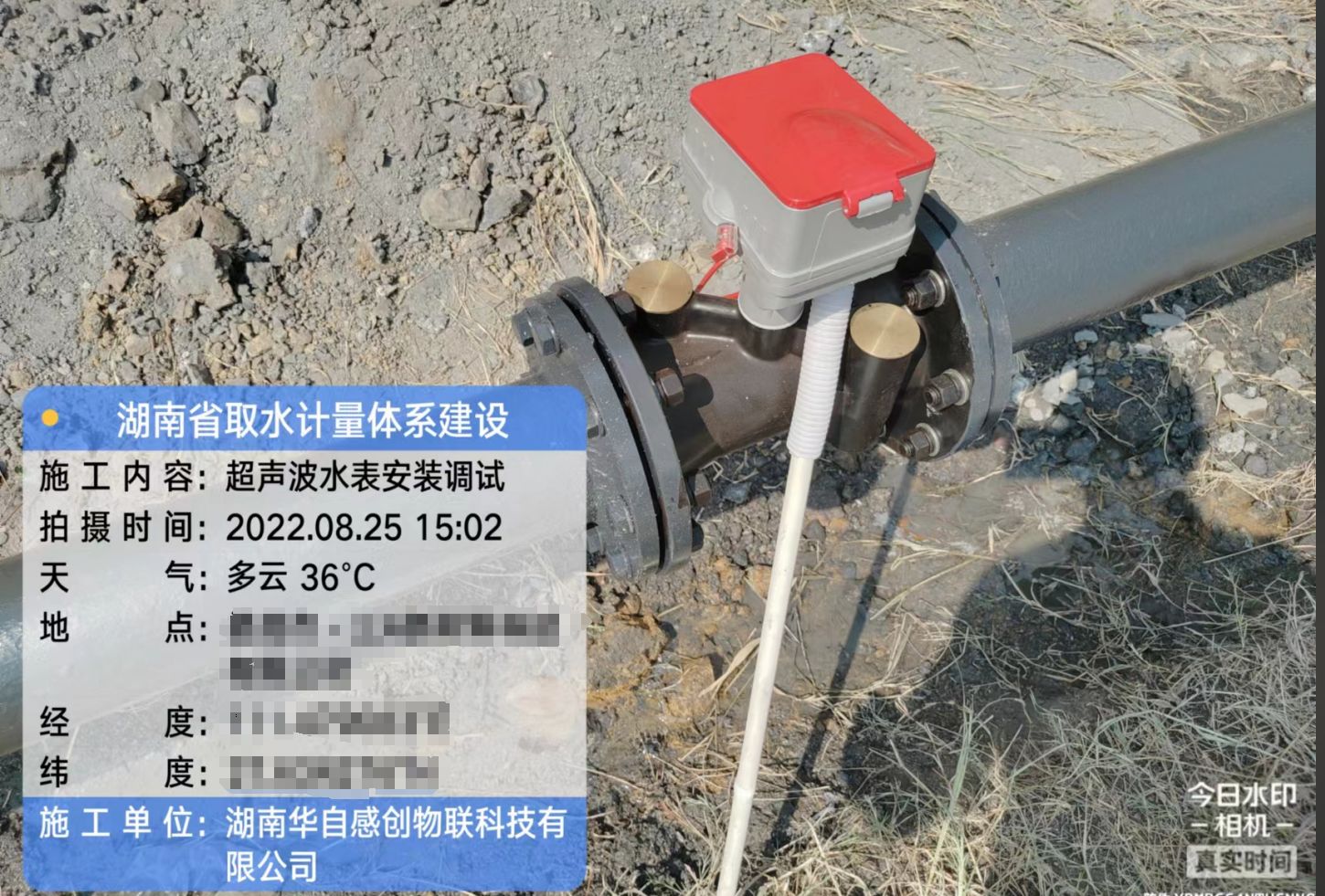
- Ultrasonic water meter : Measuring flow rate by detecting changes in the propagation speed of ultrasonic waves in water, with no mechanical rotating parts and high accuracy (error ±0.5% within the specified range), long service life, and strong resistance to interference from impurities, making it suitable for applications with high metrological accuracy requirements, such as industrial production and large-diameter pipeline networks.
2. Classified by caliber and specification
- Small-diameter water meter ( DN15/DN20/DN25 ): Primarily used in residential households and small shops, DN20 For the most commonly used specifications, optimized for typical household water flow;
- Large-diameter water meter ( DN40 and above): Suitable for industrial enterprises, high-rise buildings, and municipal pipeline networks; selection must be based on pipeline flow rate and pressure to ensure measurement accuracy.
III. Key Technical Parameters: Core Reference for Selection and Use
1. Measurement accuracy class
- Common levels: B Level (margin of error ±2%~±5% )、 1 Level (error ±1% )、 0.5 Level (error ±0.5% ), the higher the accuracy class, the more accurate the measurement;
- Commonly used in residential households B level or 1 Class water meters are recommended for industrial applications. 0.5 Products with accuracy of Grade X and above.
2. Range ratio ( R Value)
- Refers to the ratio of the maximum flow rate to the minimum flow rate that a water meter can accurately measure, for example: R80 、R160、R250;
- The larger the turndown ratio, the wider the flow range the water meter can accommodate, thereby preventing under-measurement at low flows (such as dripping) or excessive measurement error at high flows. Recommended for residential applications. R80 and above products.
3. Work condition adaptation
- Work stress: Common 0.1~1.6 MPa ( PN16 ), higher-pressure-rated products should be selected for high-rise residential buildings or applications with high pipeline network pressure;
- Operating temperature: cold water meter ( 0~40℃ )、hot water meter ( 0~90℃ ), selection should be based on the type of water use to prevent high temperatures from damaging the water meter;
- Protection Level: IP68 This is the highest level of protection, suitable for underground utility networks and damp environments, to prevent water ingress from damaging internal components.
IV. Daily Use and Maintenance: Extending Lifespan + Ensure accuracy
- Installation Specifications : The water meter must be installed horizontally to avoid tilting; the inlet end must be reserved. ≥10 Double pipe diameter, water outlet ≥5 Install straight pipe sections with twice the pipe diameter to minimize the impact of flow turbulence on measurement accuracy; keep the meter away from vibration sources and strong magnetic fields to prevent interference.
- Regular verification : According to national regulations, the typical service life of residential water meters is generally 6 Year, industrial water meters are 4 Annually, instruments must be sent to a qualified metrology institution for verification upon expiration; those that fail verification must be replaced to prevent measurement inaccuracies caused by wear and tear.
- Troubleshooting : If you notice that the water meter is not registering flow, is advancing too quickly, or is leaking, first shut off the valves upstream and downstream of the meter, then contact the water utility or a qualified professional for inspection and repair. Do not attempt to disassemble the meter yourself, as this could compromise measurement accuracy and void your warranty.
- Winter Protection : In cold northern regions, water meters must be properly insulated to prevent ice formation inside the meter from causing it to crack or burst; when water is not used for an extended period, the main valve should be shut off and any standing water in the meter drained.
V. Sizing Tips: Choose Based on Your Needs to Avoid Pitfalls
- Household water use: prioritize DN20 Caliber, R80 Range ratio, B Smart remote-read water meters with Class X or higher accuracy, balancing convenience and precision;
- Business / Industrial applications: Based on actual water consumption, pipe diameter, and water quality, select ultrasonic water meters or smart remote-transmission water meters with large diameters, high flow-range ratios, and high accuracy.
- Special scenarios: For poor water quality (high impurity content), choose a mechanical water meter or an interference-resistant ultrasonic water meter; in remote areas without network coverage, consider a prepaid smart water meter.
Although small, the water meter is essential for water management. “ Core Hub ” Understanding the types, specifications, and common usage practices of water meters not only helps users make informed selection decisions and avoid disputes, but also enables water supply companies to enhance operational and maintenance efficiency. Hua Zi Sensing Innovation has consistently focused on practical innovation in water meter technology, developing product designs that closely align with real-world application needs to provide stable and accurate metering solutions for diverse user groups, thereby promoting the efficient use of water resources.
Previous:
Recommended Information
2026-06-18
Contact Person: Mr. Zhou +86-18900715600
Telephone: +86-731-88238888
Hotline: +86-400 0586 896
Email: hzgc@cshnac.com
Address: No. 609, Lusong Road, Lugu, High-tech Zone, Changsha, Hunan Province, China
Monday to Sunday 0:00-24:00
WeChat Official Account
Copyright © HZGC Technology Co., Ltd.
This site supports both IPv4 and IPv6 access.
Website Construction:Zhonqi Power Changsha
